
Centre of Excellence in Microbiome (CoEM)

Author name: Web

enviornmental-microbiome
Microbiome Domains

Environmental Microbiome

Environmental microbiomes address the universal presence and relevance of microorganisms that contribute to life and ecological balance across the biosphere. Understanding the diverse microbial systems enables the creation of realistic models of their interactions in different biotopes, and their impact amidst rapid environmental change. CoEM aims to study the soil microbiome’s role in biogeochemical cycling, plant and animal growth, and agricultural productivity by enhancing soil quality through microbial diversity and biological activity, contributing to climate change mitigation and ecological restoration. We aim to investigate water microbiomes for pollutant breakdown and aquatic ecological balance, harnessing them for wastewater treatment, and extend our studies to extreme environments, polar regions and space microbiome. Furthermore, we are committed to antimicrobial resistance (AMR) surveillance, to monitor and mitigate the spread of resistant microorganisms and onbioprospecting microbes of diverse origin for antimicrobials, enzymes, pigments, and other bioactive molecules that have vast potential for commercialization in therapeutic, agricultural, and industrial applications.

aquatic-microbiome
Microbiome Domains

Aquatic Microbiome

The aquatic microbiome plays a crucial role in maintaining the health and productivity of aquaculture by preventing pathogen colonization and stimulating appropriate immune responses.CoEM aims to enhance aquaculture production through the development of microbial inoculums/probiotics, promoting the health and productivity of fish and other aquatic animals. Our goals include producing nutritionally enriched, safe fish for improved human health, conducting microbiome research for AMR mitigation through a cleaner environment. We also strive to understand cryptic pathogen diversity and resistome in aquaculture systems to predict and mitigate outbreak risks.  

plant-microbiome
Microbiome Domains

Plant Microbiome

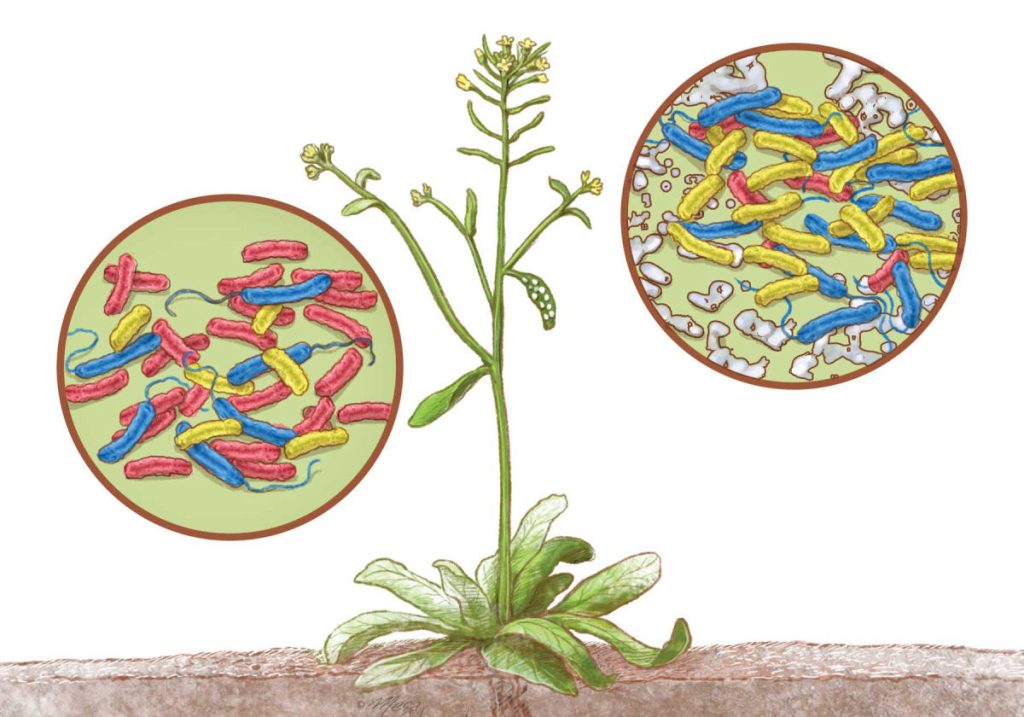
Phytomicrobiome comprising bacteria and fungi are integral to plant nutrition and stress resistance towards biotic/abiotic factors thereby dictating plant growth and productivity.  A diverse array of microbes thrives in the rhizosphere and play crucial role in nutrient conversion, disease resistance and overall plant physiology.  CoEM is committed to explore the plant-microbial interactions of indigenous plants and crop varieties of Kerala inhabiting diverse geographical locations, especially the Western Ghat region. The application of bio-inoculants in agriculture promotes more organic farming and can be made more effective by understanding the complex network of plant interactions through microbiome research. Such precise studies can provide insights into tackling drought scenarios, food shortage and climate and earth system models thereby exerting a positive outcome on the crop productivity and overall wellbeing of the society. Delving deeper into the microbiome will also aid plant health by enabling their ability to assist in the production of antimicrobial compounds, detoxification, nutrient uptake and growth promoting activities.
animal-microbiome
Microbiome Domains

Animal Microbiome

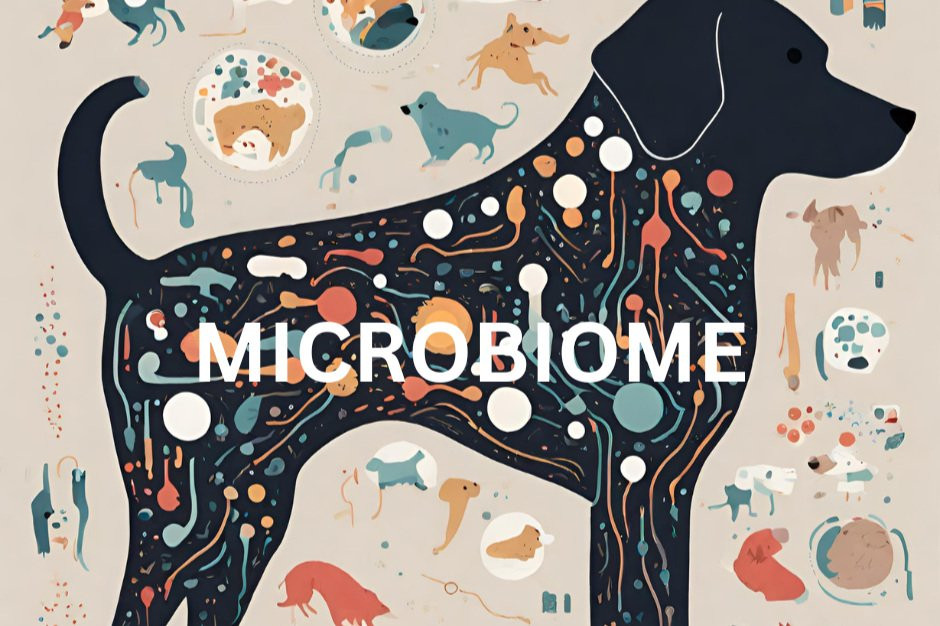
The animal microbiome has significant implications for animal health, productivity and welfare. Leveraging precise techniques and data analysis can lead to advancements in areas such as disease resistance, nutrition, and overall animal well-being. The knowledge of host-microbiome symbiotic interactions can be applied to mitigate problems inwelfare, food security,economicand conservation purposes. By employing a multi-faceted approach, including animal nutrition and microbiota manipulation, it is possible to increase the yield and enhance disease resistance in livestock and poultry. The susceptibility and incidence of disease in animals can also be reduced leading to a reduction in the usage of antibiotics and other veterinary drugs. Tracing the source of zoonotic pathogens will help track the route of disease transmission. The Centre envisages to implement a “One Health” approachby engaging all stake holders via interdisciplinary and multidisciplinary studies which is the need of the hour.

human-microbiome
Microbiome Domains

Human Microbiome

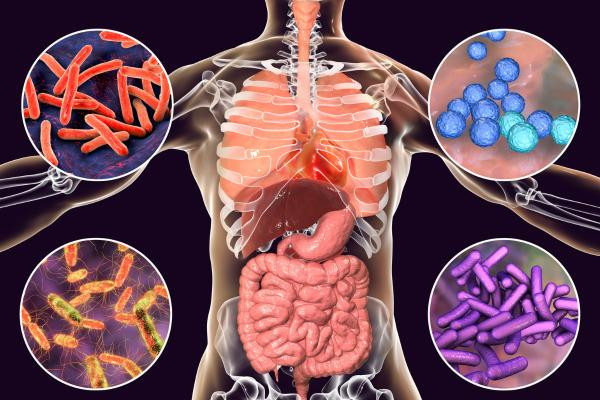
The human microbiota, encompassing microorganisms inhabiting various body sites, has been duly proposed as an ‘essential organ’ of the human body. The gut microbiome, notable for its abundance and diversity, significantly influences metabolic and immune functions. The beneficial microbes orchestrate metabolic functions, strengthen immunity and ameliorate the symptoms associated with gastrointestinal disorders, neuro developmental disorders, life style disorders, and cancer. Unethical antibiotic use, food poisoning, and infections can harm the gut microbiome leading to dysbiosis, so it’s crucial to follow healthy diet and life style to support beneficial microbes.In this regard, the team at CoEMhas postulated specific objectives to study the host-microbiome relationships, influence of traditional diet patterns and lifestyle practices on microbiome diversity and resistome analysis of various ethnic races and clinical cohorts. Translating microbiome research into treatments that modulate the microbiome through probiotics, synbiotics, Faecal Microbiota Transplantation (FMT)/Microbiota reinstitution therapy could transform the management of common diseases in a sustainable manner. Recent advancements in sequencing and drug discovery can be channelised to develop robust microbial biomarkers underlying various diseases. Furthermore, data mining of gut microbiome databases can be employed to glean bioactive compounds and novel antimicrobials, backed by advanced bioinformatic tools. We sincerely hope that such promising endeavours will mobilize the available resources at large which can be effectively utilised for controlling infections and AMR.

CoEM

What makes CoEM unique?

CoEM endeavours to protect all biotic and abiotic components of the ecosystem by virtue of its multi-domain approach. The State of Kerala projects a unique case on account of its rich biodiversity across the Sahyadris, central midlands and the extensive coastline.  The State is densely inhabited by an ethnically heterogenous population consisting of tribes, indigenous and mixed races, each adhering to their own traditions, dietary pattern and lifestyles.The rich cultural heritage, traditional microbial-based knowledge systems such as Ayurveda, and biodiversity conservation efforts provide a unique platform for studying and harnessing the microbial diversity.CoEM is solely dedicated for multidomain microbiome research and is the first of its kind in the country.Through the centre, we undertake the challenges and opportunities to explore the microbial coexistence across all domains and envisage the prospects of harnessing these resources for domain-centric advanced research, therapeutic interventions, product development and promote entrepreneurship. The immense knowledge gathered can be further broadened for the enhancement of planetary health by adhering to the concept of One Health.

CoEM

Why Microbiome Research?

Microbial communities are ubiquitous: within us, on us and around us. The presence of microbes and their association with human health and well-being is known since time immemorial. They have even adapted to extreme environments such as polar regions, deserts, and outer space. There has been an upsurge of global microbiome research in the post-covid era, which also saw the revival of traditional diets, lifestyle practices and sustainable treatment and farming regimens. In this context, CoEM too has embarked on a journey to explore the possibilities of microbiome orchestration to control infections and antimicrobial resistance,to develop high-yield varieties in agriculture and fisheries and to address environmental concerns.    

News & Events

First Agar Art Competition-2024

CoEM conducted the first Agar Art competition. Among the 46 exciting entries in the microbial agar art competition, four were selected: first, second, and two special mentions. Shri M.C. Dathan and Dr. Sabu Thomas distributed the prizes for the winners during World Microbiome Day Observance.

Scroll to Top